
AI Infrastructure & LLMs
Large language models, AI assistants, data centres, AI chips, cooling, optical networks and the power systems behind modern artificial intelligence.
-

Nvidia’s Next Bottleneck Is the Factory Network Behind the GPU
Nvidia has announced agreements intended to expand substrate, packaging, testing and optical-engine capacity through 2028. The plan exposes the many industrial steps behind AI accelerators—and most of the promised capacity is not online yet.
-

Nutanix and Supermicro Package Private AI Before Proving the Cost per Token
Nutanix and Supermicro plan a full-stack private-inference system for early 2027. The architecture is specified, but availability and cost-per-token claims still await measured deployments.
-

OpenAI’s Google Cloud Deal Changes the Buying Route, Not the Model Owner
OpenAI models are coming to Google Cloud’s Model Garden, beginning with a private preview. The integration changes procurement and governance options without making the models Google technology.
-

GPU Memory Can Recover From Errors Without Making Every Error Harmless
Error correction, containment and row remapping protect different parts of GPU operation. Understanding the layers reveals why an accelerator can recover while a job still fails.
-
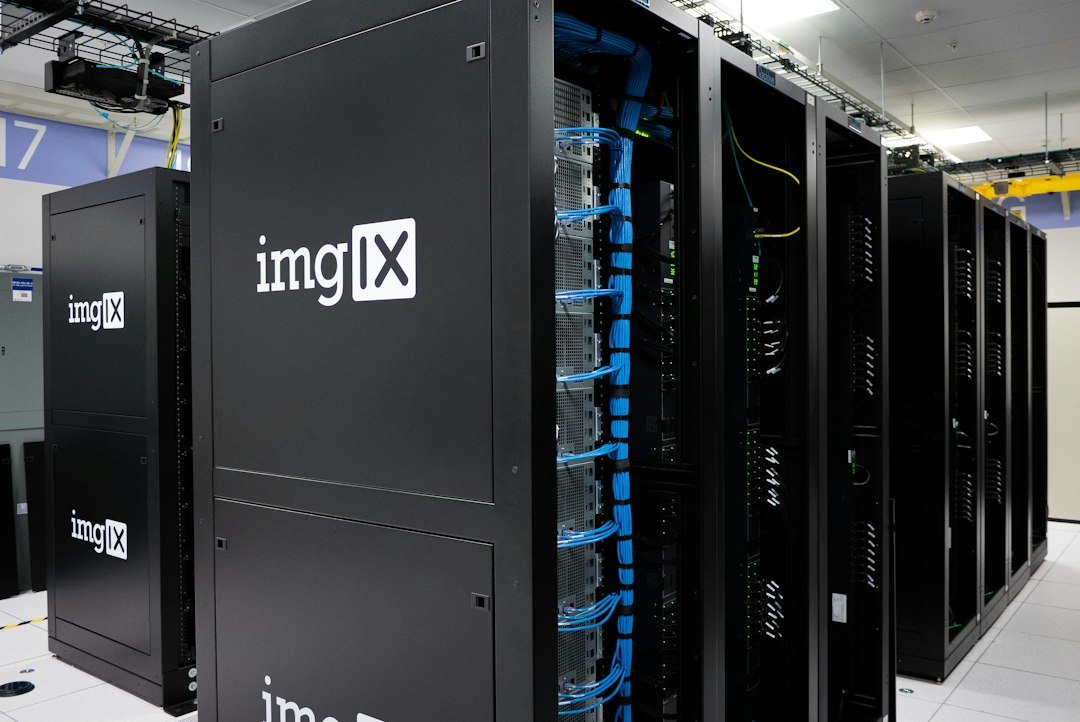
Google’s London Outage Shows Why a Cloud Region Is Not a Recovery Plan
A dated London cloud incident highlights the gap between redundant infrastructure and a recoverable application. Zones, data copies and traffic switching solve different problems.
-
Private AI Infrastructure Needs Attestation Before It Releases the Keys
Confidential computing protects data while it is being used. Remote attestation checks the execution environment first, but neither feature certifies the accuracy or safety of an AI answer.
-
AI Prompt Caches Save Repeated Reading, Not the Work of Writing an Answer
Reusing a prompt’s internal state can reduce repeated processing. The benefit depends on shared prefixes, available memory and how much time the model spends generating its answer.
-
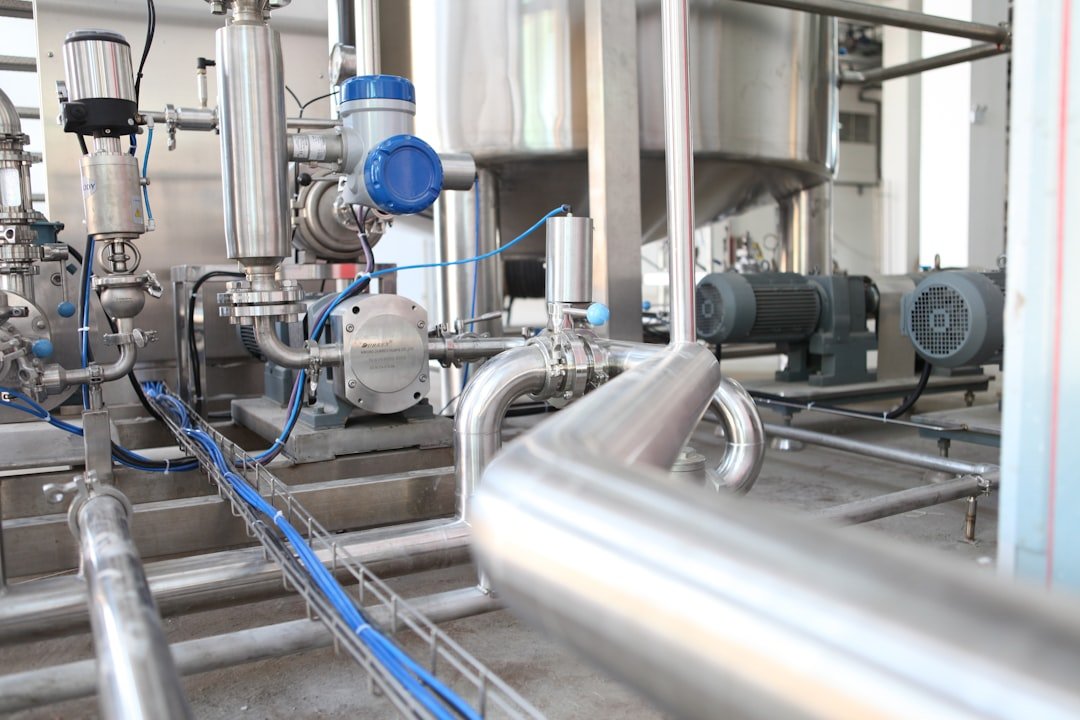
Liquid-Cooled AI Servers Need More Than a Watertight Connector
Quick-disconnect couplings make liquid-cooled servers serviceable, but dimensional fit is only one requirement. Coolant chemistry, test conditions and revision numbers also matter.
-
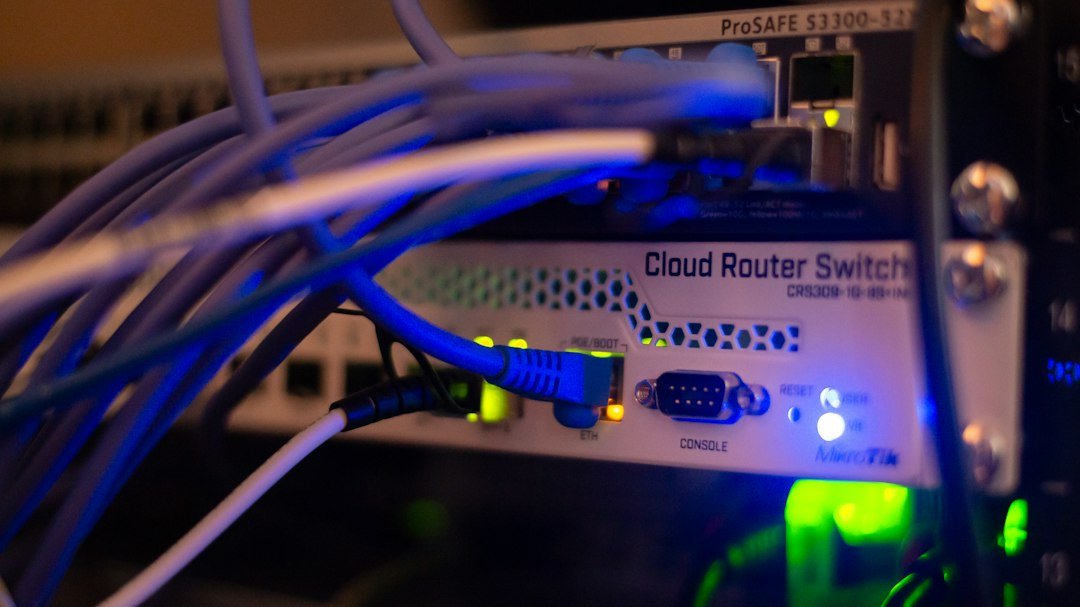
Credo’s New Optical Cable Trades Fewer Fast Channels for Many Slower Ones
Credo’s 1.6T active light cable targets row-scale AI connections with parallel optical channels and redundancy. Shipping and reliability claims remain forward-looking.
-

AI Memory’s Next Efficiency Step Starts With a Small Power-Control Chip
Rambus is sampling a power-management chip for future LPDDR6 SOCAMM2 modules. The component roadmap is real, but whole-server efficiency still needs testing.
-
Anthropic’s First Canadian Campus Plan Makes Power Promises Part of the Deal
EverWind plans a major Nova Scotia AI campus with wind investment and ratepayer safeguards. The lease is a milestone, while power, water and delivery remain tests.
-

Schneider’s Data-Centre Surge Reveals the Hardware Behind AI’s Building Boom
Schneider reports record quarterly revenue and triple-digit growth in data-centre demand. Its update highlights power distribution, backup and cooling around the chips.