
Drax, Brookfield and the AI infrastructure company Radiant have announced plans for a data-centre campus exceeding one gigawatt at Drax Power Station in North Yorkshire. The headline number—more than £20 billion of potential investment—describes a multi-phase ambition that includes semiconductor chips. The immediate proposal is smaller and much less certain: up to 100 megawatts, targeted for operation in the first quarter of 2028.
The 3 November 2026 regulatory announcement says phase one is subject to planning, regulatory and network approvals, an acceptable tenant, commercial agreements and final investment decisions by the partners. It is not a construction notice.
The power station offers land, grid access and generation
The Drax estate covers more than 1,000 acres, sits near fibre routes and has about 4 GW of grid access. Its active power station provides 2.6 GW of dispatchable generation. Those assets address two barriers that slow large data-centre projects: securing a powered site and obtaining a high-capacity connection.
Radiant is expected to lead design, customer engagement and commercialization. Drax would handle land, power integration and planning. Brookfield would provide capital and operating capabilities through its infrastructure partnership with Qatar’s Qai. The partners say an initial £2.5 billion could back phase one.

Phase one would use the grid, not a private power island
The first 100 MW is planned to import electricity from the grid, with Drax managing that connection. A public consultation is expected to begin in November 2026 before a formal planning process. A suitable anchor customer must be secured before construction begins, according to the company.
Phase two is an ambition to add as much as 500 MW between 2028 and 2031. Drax says that capacity could use a behind-the-meter arrangement, supplying power from the station under a long-term power-purchase agreement. Any such arrangement must fit with the station’s existing obligations and receive the necessary consents.
The £20 billion figure spans an unfinished campus
After 2031, the partners envisage further capacity that could take the site above one gigawatt. Brookfield’s estimate that total investment could exceed £20 billion combines all phases and includes computing hardware. It should not be read as committed construction spending today.
The companies also say their initial assessment aligns with the UK Government’s new Data Centre Covenant, which aims to accelerate strategically important projects. That is the partners’ assessment, not a government designation or an approval. A Reuters report likewise describes the first phase as conditional on approvals and final decisions.
Powered land does not remove infrastructure trade-offs
A 100 MW facility is already a major electrical load. Its local and national effects depend on utilization, cooling design, backup generation, water use and the timing of demand. Behind-the-meter supply can reduce reliance on a new external connection, but it also raises questions about how generation is allocated between a private customer and the wider power system.
The project announcement does not identify a chip platform, water demand, power-usage-effectiveness target or carbon-accounting method for the data-centre load. Those details will matter more than the “AI factory” label when environmental and planning scrutiny begins. Community benefits, jobs and the proposed voluntary fund will also be weighed against construction and infrastructure impacts.
The near-term milestones are procedural
For now, the useful indicators are whether consultation begins, a planning application is filed, an anchor tenant signs, network and regulatory conditions are met, and the partners take final investment decisions. Each milestone converts part of the proposal into a more credible project.
Drax has a rare combination of grid capacity, generation, cooling infrastructure and land. Brookfield and Radiant add capital and data-centre expertise. That makes the plan plausible, but not inevitable. The 100 MW first phase—and its missing tenant—provides a more honest measure of progress than the eventual £20 billion headline.
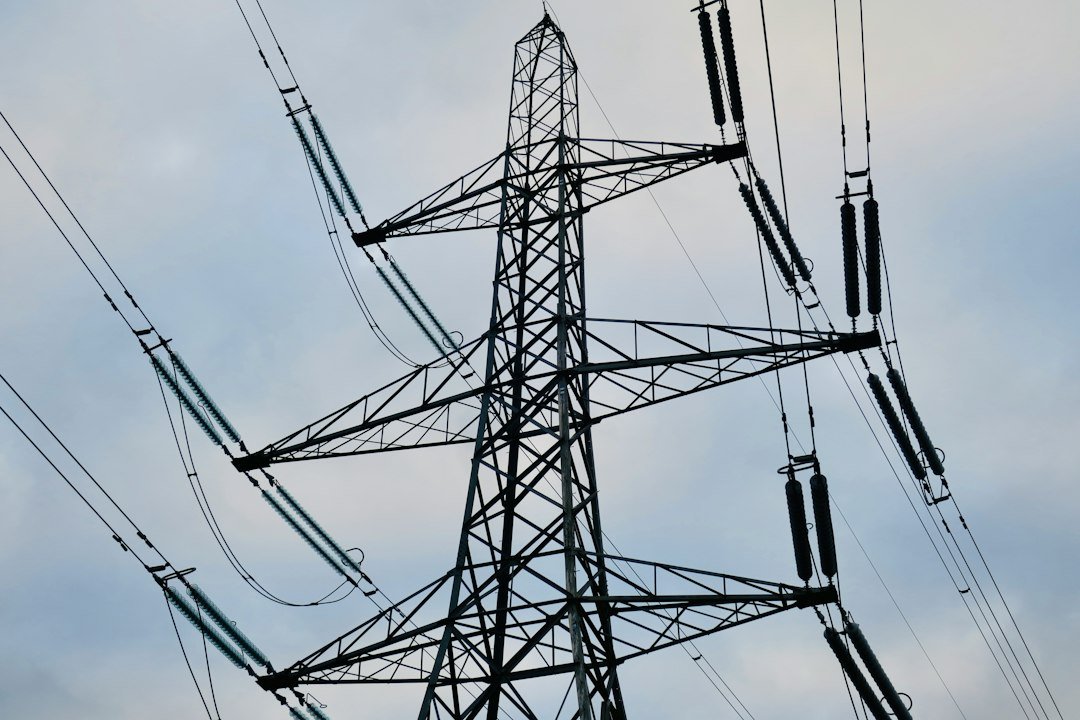
Featured image: A UK electricity pylon. Contextual image, not the proposed Drax data-centre site. Photo: Rose Galloway Green/Unsplash.
Leave a Reply