
Hyundai Motor Group is moving a large AI data-centre proposal in South Korea from a memorandum toward project organisation. On 30 October 2026, the group opened an office in Gunsan to coordinate permitting, design and local stakeholders for the Saemangeum AI Valley.
Hyundai plans to establish two special-purpose companies in November—one for data-centre construction and infrastructure, another to obtain graphics processors and provide GPU services. Construction is targeted for March 2027, with services planned for early 2030.
The company has previously described a 100 MW facility able to house more than 50,000 GPUs. Those are planned specifications, not installed hardware or operating capacity.
An automaker is building a computing supply chain
Autonomous-driving systems consume road video, sensor data and simulation output. Robots need models trained on images, language and physical behaviour. Vehicle engineering also uses simulation for crashes, aerodynamics and battery thermal management.
Hyundai’s project update frames the data centre as a 24-hour training and validation hub for those workloads. Separating the GPU-services company from the construction company suggests that compute procurement and physical infrastructure will be managed as distinct businesses.
100 MW does not reveal the full energy demand
A 100 MW IT facility running continuously would consume 876 gigawatt-hours a year before accounting for cooling and electrical losses. Actual consumption depends on utilisation, efficiency and whether the figure refers to IT load or total facility power.
More than 50,000 GPUs also spans a wide range. Processor generation, rack density and networking architecture determine the computing output and cooling requirement. Hyundai has not published a final chip mix or detailed facility design.
Power is being developed as a parallel project
Hyundai says it established a special-purpose company in September for the first phase of a 200 MW renewable-solar project intended to supply the data centre. The wider valley concept also includes robotics manufacturing, hydrogen production and an “AI hydrogen city.”
A 200 MW solar plant does not deliver 200 MW around the clock. The data centre would still need grid connections, storage, contracts or other supply when sunlight is unavailable. The current release does not specify how hourly matching will work.
The office opening is progress, not construction
Opening a local office can speed communication and permitting, while creating special-purpose companies can isolate financing and contracts. Yet detailed design, permits, technical partners and potential financial support remain under discussion.
Hyundai’s investor-day roadmap supplied the 100 MW and 50,000-GPU figures. The new announcement adds a project office and dates, but it does not report a final investment decision, construction notice or GPU purchase.
The project shows physical AI moving upstream
Automakers once bought most of their computing as conventional enterprise IT or cloud service. A dedicated AI campus would put Hyundai closer to control of accelerator capacity, data governance and simulation infrastructure.
The February memorandum with South Korea’s central government and Jeonbuk State established political support for the wider hub, but a memorandum is not a construction contract. The new local office narrows the distance between ambition and execution without removing environmental review, utility planning or financing risk.
The plan also concentrates execution risk. Chips ordered years ahead may age quickly, while power, cooling and network designs must accommodate future hardware. Success will be visible in permits, signed financing, equipment contracts, construction and eventually measured utilisation.
Saemangeum is therefore an important statement about the computing demands of cars and robots. It remains a pre-construction industrial plan, with service four years away.
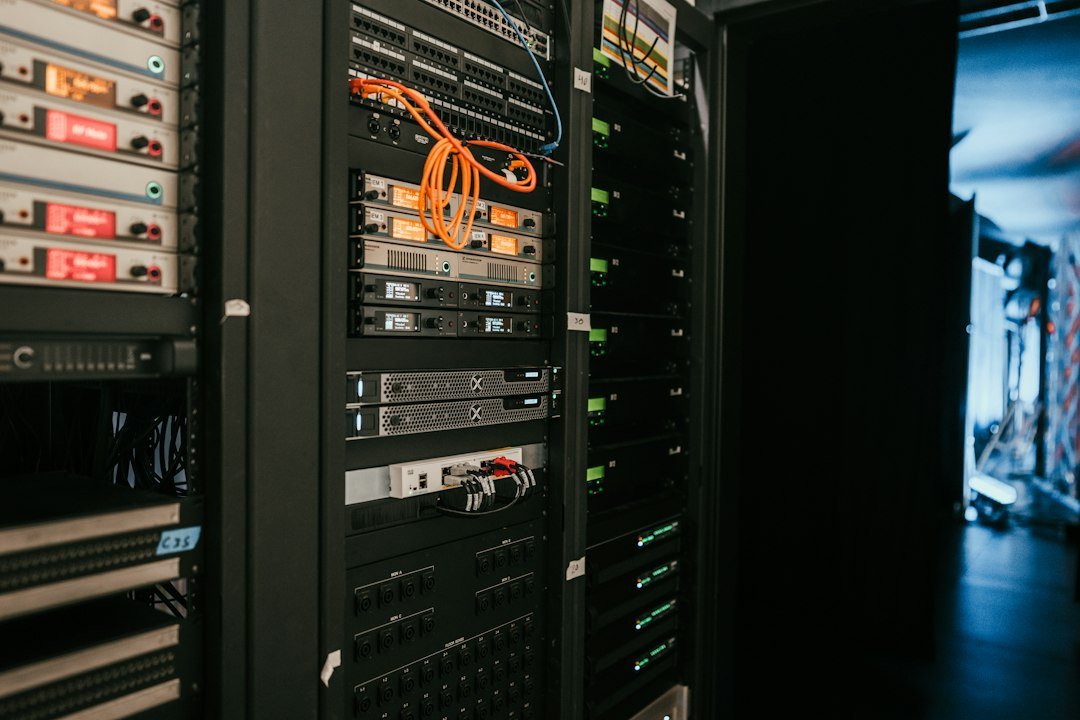
Featured photo: Kevin Ache/Unsplash. Contextual server-room image; not the planned Hyundai facility.
Leave a Reply