
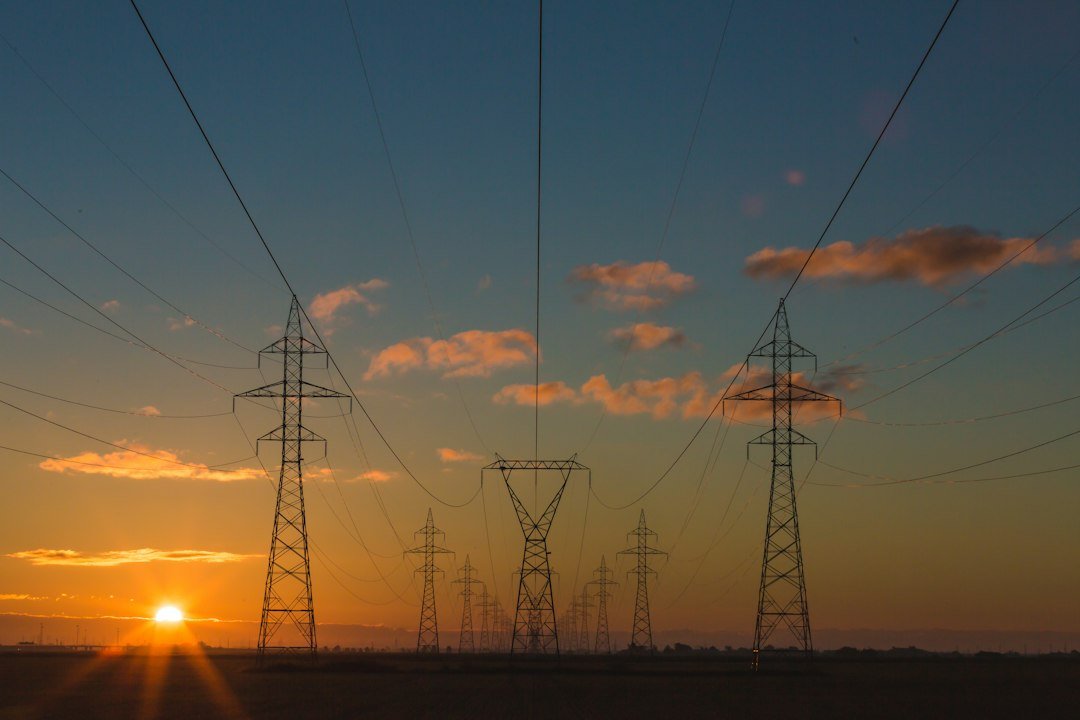
Featured image: Transmission lines illustrate the interregional grid capacity examined in the model. Contextual photograph; not a proposed PJM route or completed project. Photo: Matthew Henry / Unsplash. Unsplash licence.
A data centre can sign for new electricity faster than a region can permit and build a high-voltage line. That mismatch is turning transmission—the equipment that moves power across long distances—into a central constraint on AI growth.
A September modelling study prepared by S&P Global’s CERA Consulting estimates that stronger regional and interregional transmission across four parts of the US Eastern Interconnection could save customers as much as $15.3 billion through 2050. In the PJM grid, the analysis found about $2.30 in customer benefit for each dollar invested in the modelled transmission portfolio. These are scenario results, not guaranteed savings or projects already under construction.
A larger network can share cheaper capacity
PJM coordinates the wholesale grid across all or parts of 13 states and Washington, DC. It includes northern Virginia’s dense cluster of data centres and forecasts tens of gigawatts of additional large-load demand. When local lines become congested, cheaper generators may be unable to reach customers and more expensive nearby plants must run instead.
Interregional lines connect neighbouring grid operators as well as locations within one region. They can move electricity away from an area with spare generation, share reserves during extreme weather and reduce the need for every region to build a completely separate peak-supply fleet.
The CERA study commissioned by National Grid, the Electricity Customer Alliance and Converge Strategies compared futures with constrained expansion against scenarios allowing stronger regional and cross-border links in the Northeast, PJM, SERC and the southern portions of SPP and MISO. The largest modelled value appeared when robust regional and interregional development were combined.
PJM is already approving reliability upgrades
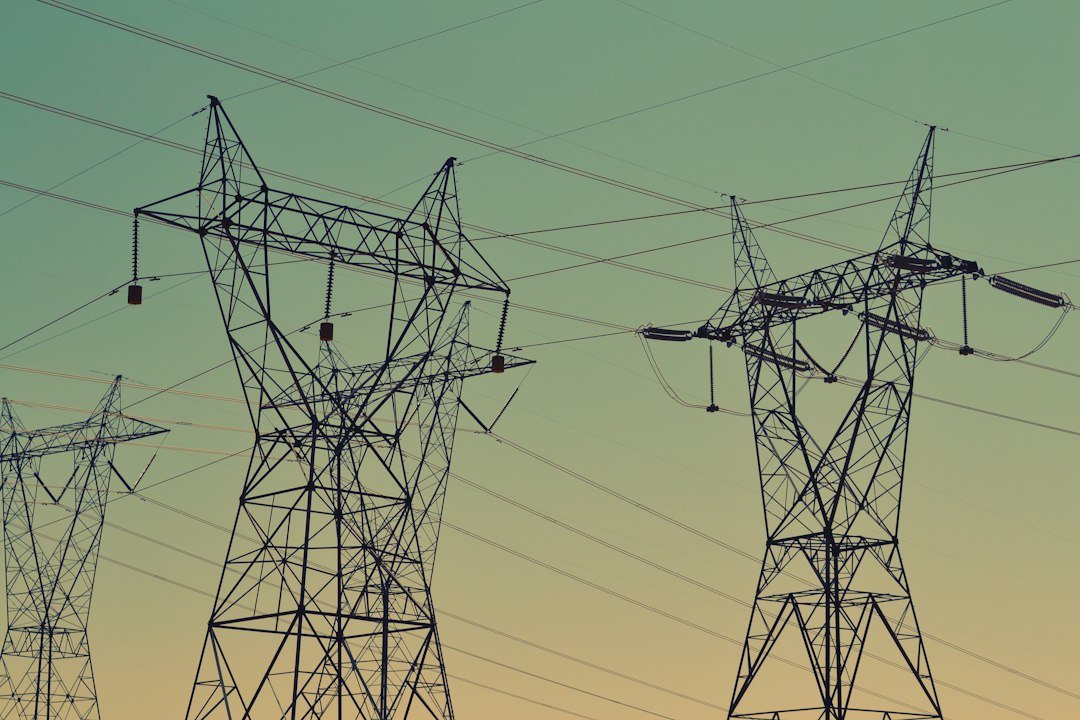
Separate from that economic model, the PJM board approved about $11.8 billion of transmission projects in February 2026. The package responds to accelerating load, changing generation and greater eastward power flows. It ranges from upgrades at existing facilities to new 500- and 765-kilovolt lines, advanced conductors and PJM’s first underground high-voltage direct-current line.
Those projects were selected mainly for reliability—keeping the grid within operating limits—not specifically to minimise congestion or create a broad interregional market. A reliability line can also reduce congestion, but the objectives and benefit calculations are not identical.
Reuters reported that 37.7 gigawatts of proposed PJM generation had been blocked or delayed by required transmission work. Building lines can unlock generation, but so can better queue management, grid-enhancing technology, storage and locating flexible loads where capacity exists. Transmission is a large part of the answer, not the only part.
Planning rules cannot remove every construction barrier
The Federal Energy Regulatory Commission’s Order No. 1920 requires US transmission providers to produce plans looking at least 20 years ahead, evaluate multiple scenarios and consider a defined set of benefits. It also revises interregional coordination and requires states to have a larger role in cost allocation.
Longer planning horizons help identify a multi-purpose line before a reliability emergency forces a narrower fix. They do not decide the route, obtain land, settle every state dispute or allocate cost without controversy. Large lines can take a decade because their benefits spread across regions while their physical impacts are concentrated along one corridor.
Data-centre growth adds another dispute: whether costs should be paid by the new large loads, all customers who benefit from a stronger grid, generators, or some combination. A study funded by transmission advocates also deserves scrutiny of its demand, fuel-price and project-cost assumptions.
The emerging case is not simply “build more lines for AI.” It is to compare interregional portfolios transparently against local generation, storage, demand flexibility and smaller grid upgrades—then assign costs to the beneficiaries. The new modelling suggests the network option can be valuable. Converting that result into steel requires regional agreements that have historically been much harder than running the model.
Reporting and source checks completed on 13 October 2026. By FutureTechDose Editor.
Leave a Reply