
A proposed AI data-centre campus east of Adelaide is enormous on paper: 1,200 megawatts of computing capacity, three development stages and dedicated electricity infrastructure across rural land near Tungkillo. The most important current fact is that it remains on paper.
Quantum DC is undertaking community consultation before lodging a formal development application. Its project page places the proposed Tungkillo Compute and Energy Hub at 312 Collins Road, about 55 kilometres east of Adelaide, with Stage 1 targeted for 2028 and full development by 2031.
Those dates, capacity and energy shares are proponent plans. They are not planning approval, a grid connection contract, construction progress or operating capacity.
The campus would occupy 120 hectares of a 220-hectare site
Quantum DC says project infrastructure would cover about 120 hectares across five parcels, leaving roughly 100 hectares undeveloped for grazing. Existing ElectraNet 275-kilovolt transmission lines cross the site, and the plan includes two new substations.
Proximity to transmission can reduce the need for a long new power corridor, but it does not prove that the network can accommodate a 1.2 GW load on the proposed schedule. Connection studies, protection design, market arrangements and construction must translate a nearby line into reliable power.
The energy plan mixes renewable contracts with on-site gas
The developer proposes to contract new wind and solar generation for about 80% of the hub’s electricity and use on-site gas turbines for roughly 20%, running when renewable output is low. It says two grid circuits and contracted battery storage would add resilience, with only small diesel units for starting equipment and a gas facility.
This is not a zero-emissions design. Gas generation would produce carbon dioxide and local air emissions, while renewable power-purchase agreements must be evaluated by timing and additionality—not only annual energy totals. The claim that the campus brings its own supply will need independent modelling and regulatory scrutiny.
Closed-loop cooling reduces water use but does not eliminate it
Quantum DC proposes direct-to-chip liquid cooling with dry, air-cooled heat rejection. A sealed loop recirculates coolant and avoids continuous evaporative cooling. Rainwater collected from roofs would be the main operational source.
The company estimates about 20 megalitres of water a year at full operation. It proposes no permanent SA Water mains connection and says it will not draw directly from the River Murray or buy local irrigation allocations. However, construction and commissioning water requirements are still being assessed, with deliveries by commercial carriers possible.
Dry cooling shifts rather than erases trade-offs: fans consume energy, performance can change in extreme heat, and filling or maintaining large systems still requires water.
Community opposition is part of the planning evidence
ABC reported on 31 October that residents and politicians raised concerns about scale, noise, light, water and the surrounding landscape. Quantum DC rescheduled consultation sessions for 20 and 21 November and says feedback will accompany its application.
Consultation does not give every participant a veto, but it can reveal impacts that a desktop design misses. Specialist assessments are expected to cover traffic, noise, lighting, air quality, water, ecology, heritage and bushfire risk.
Early works rules do not equal project approval
South Australia amended its regulations in August to exempt limited preliminary works—certain excavation, access roads and fencing—when a separate state-agency approval exists. The PlanSA guidance stresses that this work occurs at the proponent’s risk and does not remove other approvals.
The evidence milestones are clear: a lodged application, published impact studies, a planning decision, contracted energy and water arrangements, construction and staged commissioning. Until those arrive, Tungkillo is a consequential proposal worthy of scrutiny—not an operating 1.2 GW AI campus.
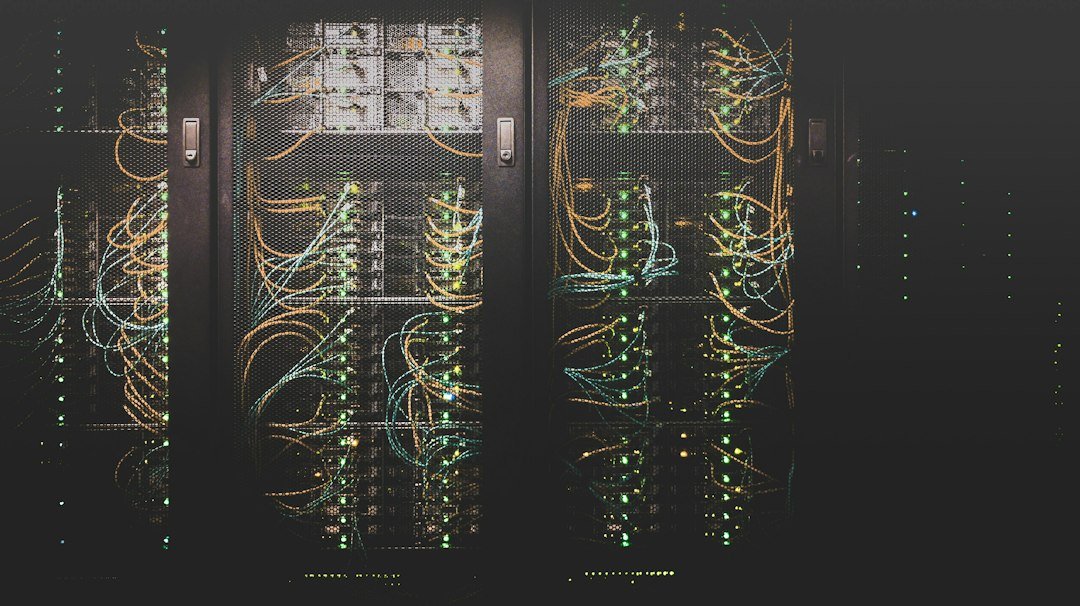
Featured image: Network cabling in a server room. Contextual data-centre image, not the proposed Tungkillo site. Photo: Taylor Vick/Unsplash.
Leave a Reply