
Biotechnology
Gene editing, cancer biotechnology, regenerative medicine, longevity science and the evidence moving from laboratories into clinical care.
-

A New Ageing Theory Puts Cells’ Lost Identity Under the Microscope
A new Nature review proposes that ageing partly reflects the gradual erosion of the rules that keep cells specialised. It offers testable ideas, not a rejuvenation result.
-
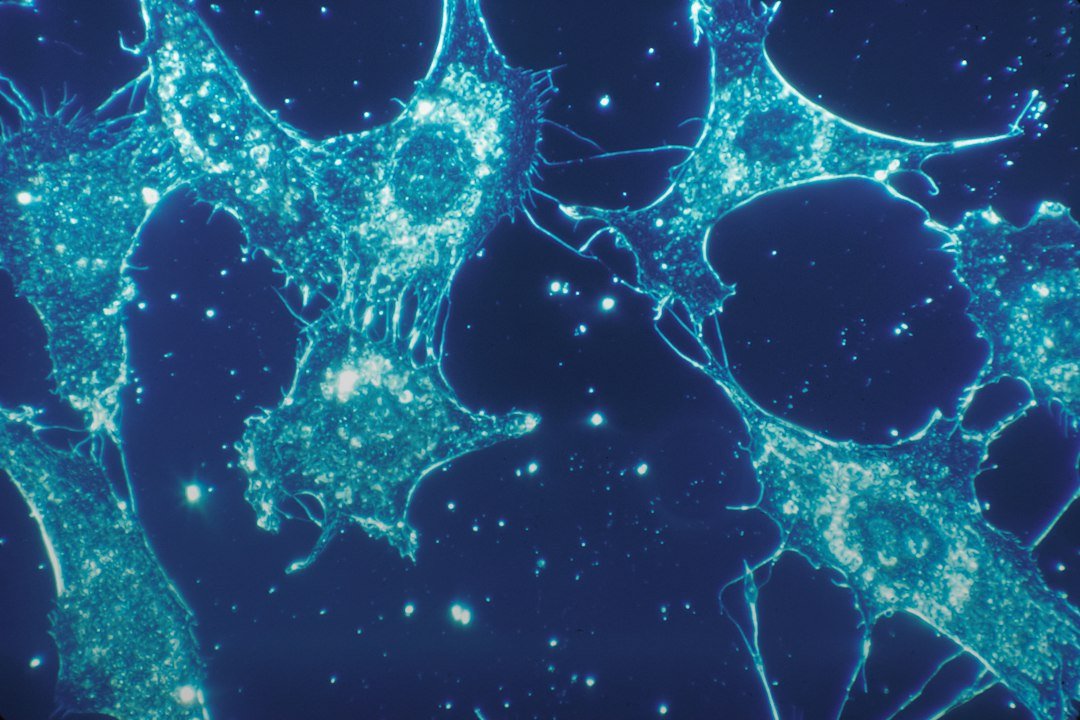
An Australian Virus Therapy Is Taking Aim at Hard-to-Treat Bowel Cancer
ImmVirX plans a more focused trial of its oncolytic RNA-virus therapy after early human studies. The Phase II programme still depends on further financing.
-

An RNA Injection Is Testing a Different Route Through Skin Cancer
A small Phase IIb study reported responses to an RNA-based injection for basal cell carcinoma. Surgery remained in the protocol, and the treatment is unapproved.
-
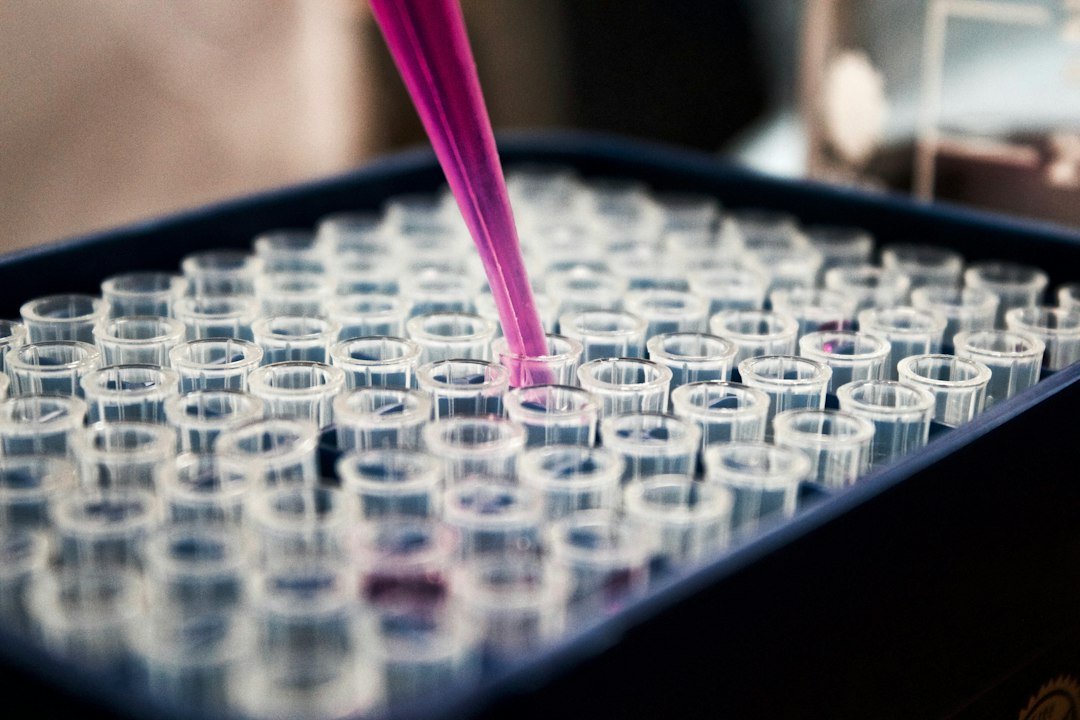
A Stress Switch Helps Scientists Reprogram Cells
A new cell study links two proteins, PARK7 and PINK1, to the metabolic changes that help ordinary cells become stem-like cells.
-

Huntington’s Gene Therapy Reaches Four Years With a Complicated Result
A small Phase I/II follow-up suggests lasting functional benefit, but its main composite comparison was not statistically significant at four years.
-

A Two-Drug Strategy for Resistant Lung Cancer Heads to the FDA
AstraZeneca has filed for US approval of a targeted combination after a global Phase III trial reported survival gains. The detailed results are still to come.
-

Roche Wants AI Drug Discovery to Run Through the Laboratory
Roche is developing autonomous AI-driven laboratories that connect predictions with experiments. Its latest update shows how drug-discovery workflows could change, without establishing a new clinical breakthrough.
-
Codexis Wants More Control Over the Chemistry of RNA Medicines
Codexis has agreed to test a more precisely controlled way of making RNA-drug components. The collaboration will compare manufacturing quality before any claim of clinical benefit can be established.
-
AI Helped RNA Vaccines Survive Two Months at Body Temperature
A new study used AI to identify dried vaccine formulations that stayed active after prolonged warm storage. Tests in rodents and nonhuman primates support further development, but this is not a human vaccine approval.
-
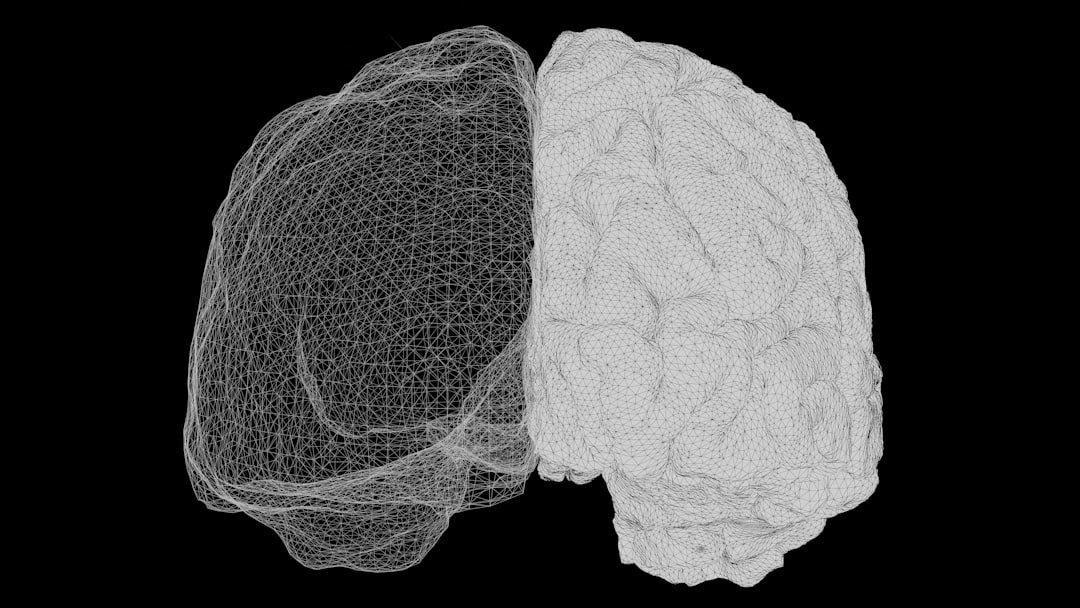
Scientists Reversed One APOE4-Linked Form of Brain Damage in Mice
The Alzheimer’s risk gene APOE4 appears to push the cells supporting tiny brain vessels into a scar-forming state. Researchers reversed that process in aged mice—but this remains preclinical research, not an Alzheimer’s treatment.
-

MIT’s Tiny Fluid Device Keeps Cells Alive for a Closer Look at Cancer
A microfluidic device could give researchers living cells from precise tissue locations, opening new experiments while leaving clinical claims unproven.
-
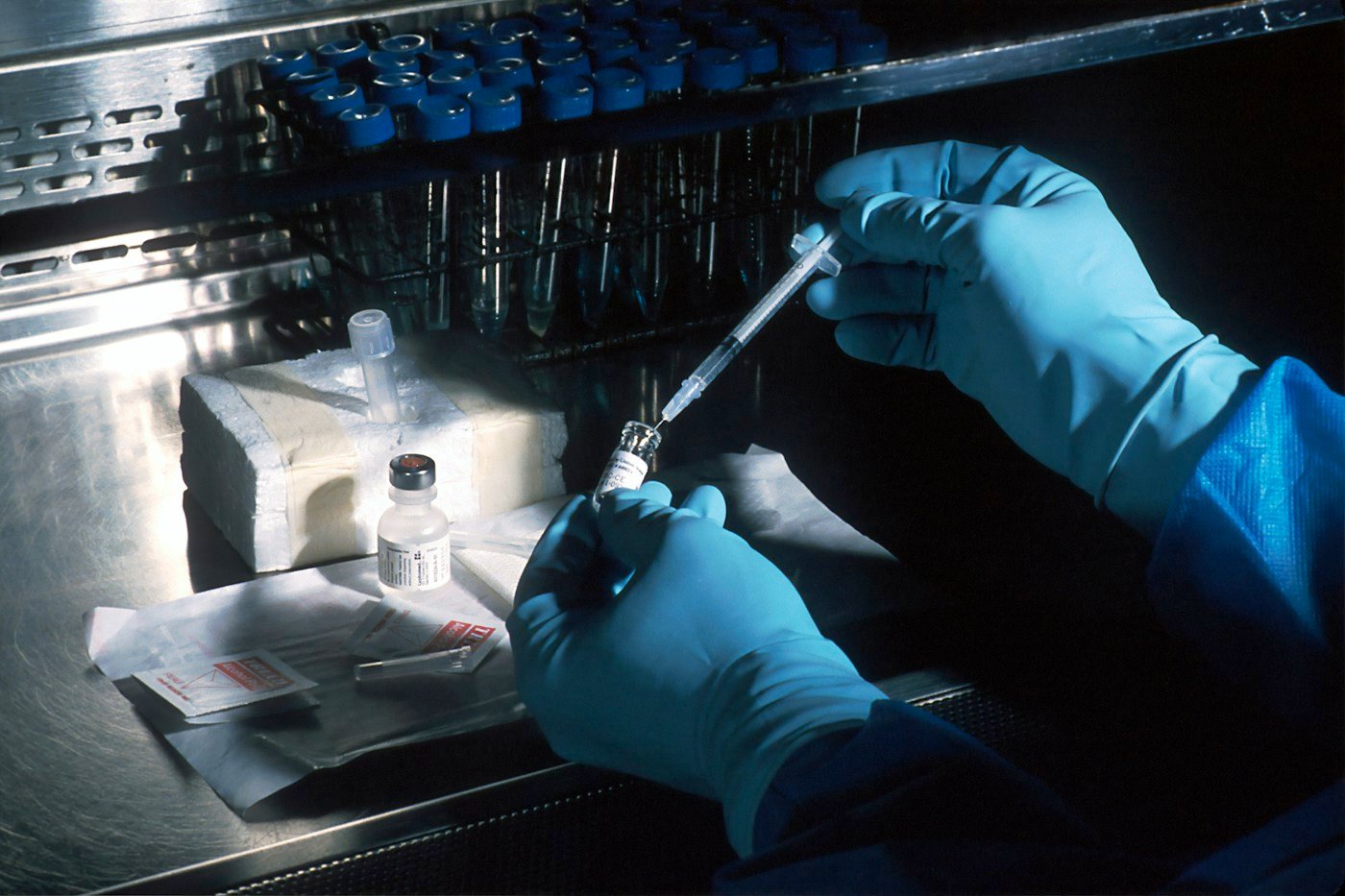
MIT’s Automated Lab Takes Aim at RNA Medicine’s Delivery Problem
A system that makes, measures and adjusts tiny delivery particles could help researchers explore RNA formulations more efficiently. It is a research tool, not a new treatment.