
Biotechnology
Gene editing, cancer biotechnology, regenerative medicine, longevity science and the evidence moving from laboratories into clinical care.
-

The Next Medical Wearable Wants to Track Your Cortisol All Day
A Stanford spinout is developing a patch to follow cortisol’s changing rhythm. Its latest FDA milestone advances development, not permission to sell the device.
-
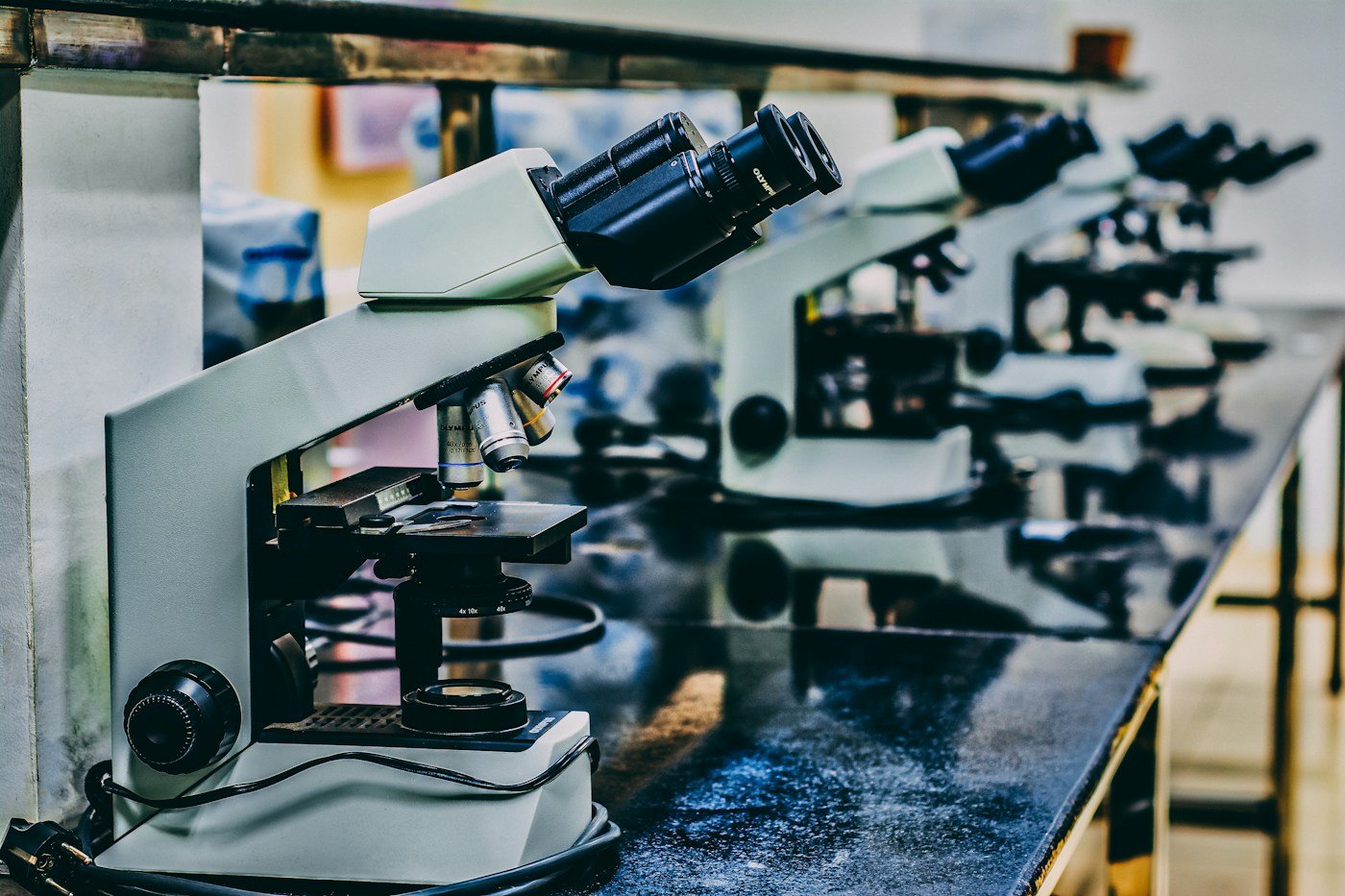
Claude Found a Biological Mystery Hidden in Plain Sight
An AI search spotted an unusual pattern in DNA. Human scientists are now testing what it does—and whether it could become useful biotechnology.
-
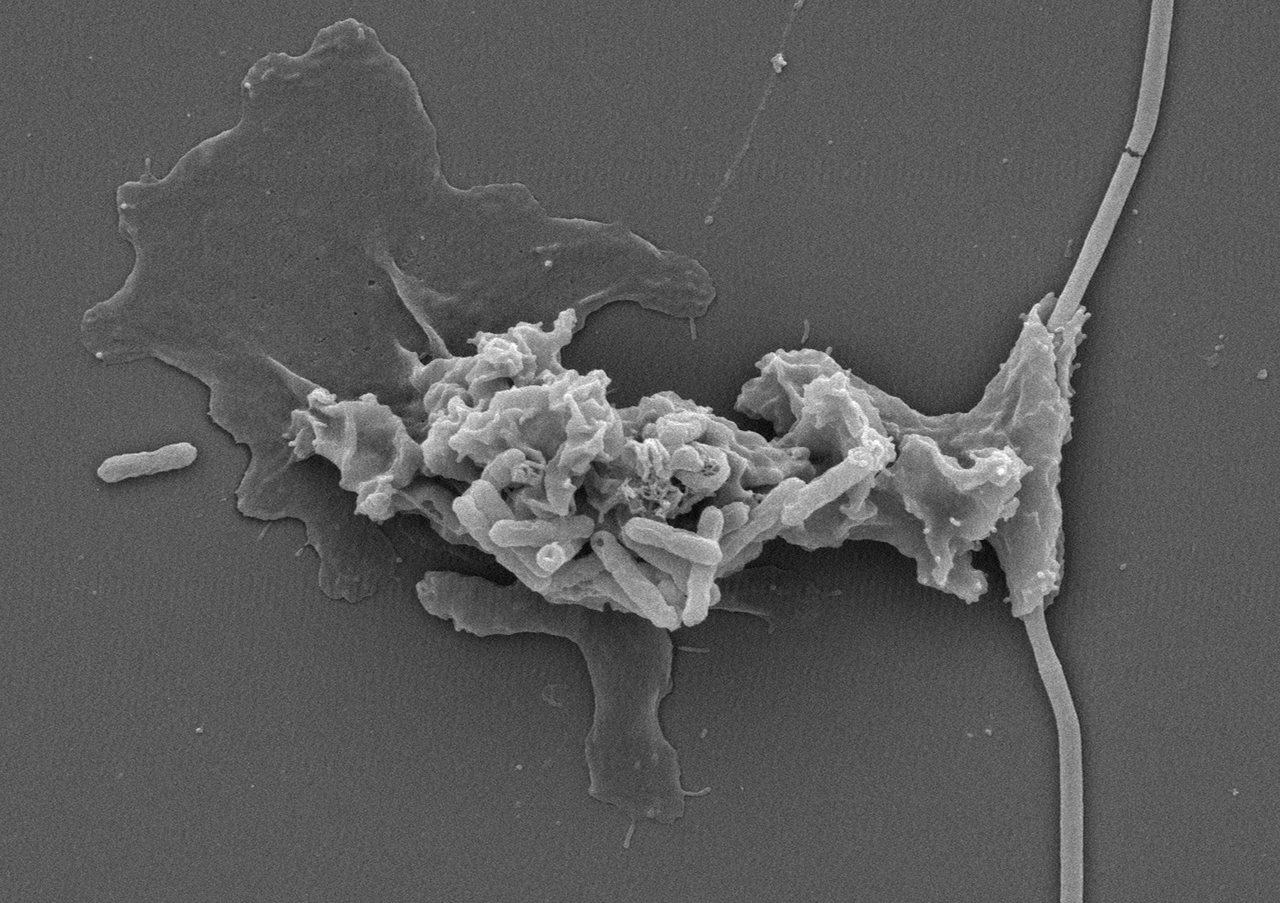
The ‘Fire Amoeba’ Is Pushing Complex Cells Into Hotter Territory
A tiny organism from a California geothermal stream can keep dividing at temperatures that challenge familiar limits for cells with nuclei.
-
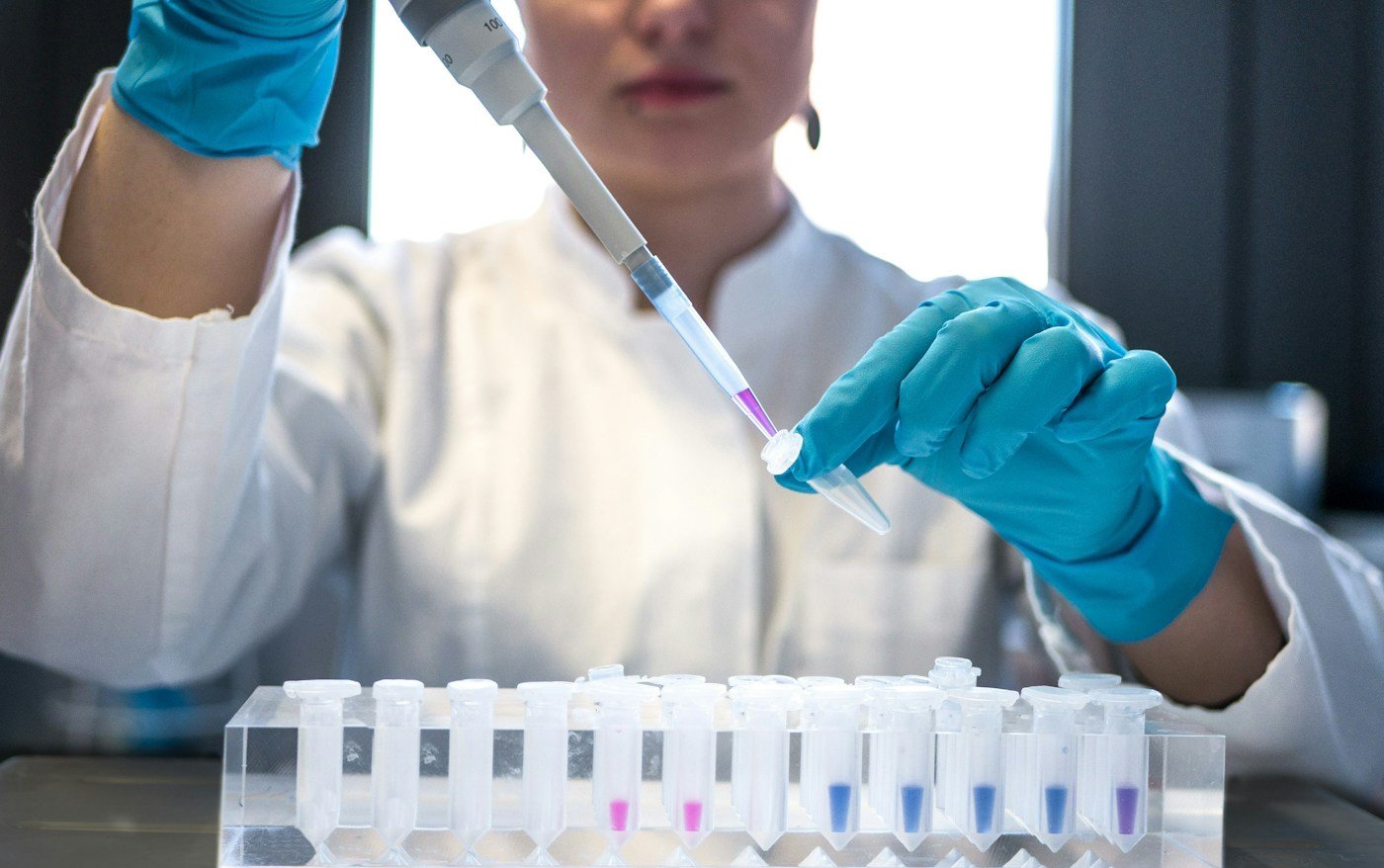
AI Is Hunting for Antibiotics That Tear Open Bacteria
An AI-guided search has produced promising bacteria-killing materials. The most interesting part may be how researchers used uncertainty to choose their experiments.
-
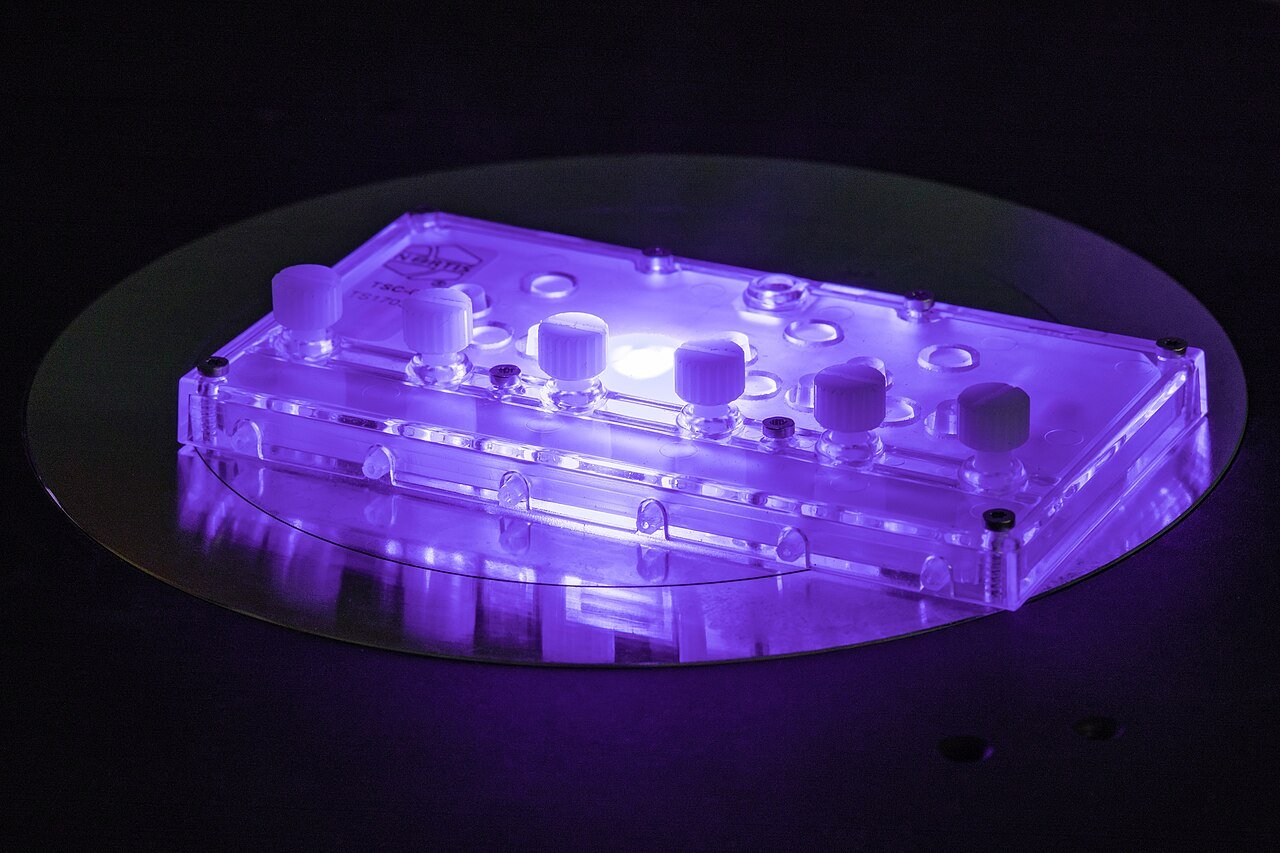
The FDA Is Making More Room for Drug Tests Without Lab Animals
Human cells, organ chips and computer models are getting clearer recognition in US drug-testing rules. The change could support better safety testing—but it is not a ban on animal studies or a shortcut around human trials.
-

Britain Is Backing Tree ‘Vaccines’ and Engineered Wildlife Defences
A British research programme is testing ways to help wild species adapt faster. Its projects raise difficult questions about conservation as well as technology.
-
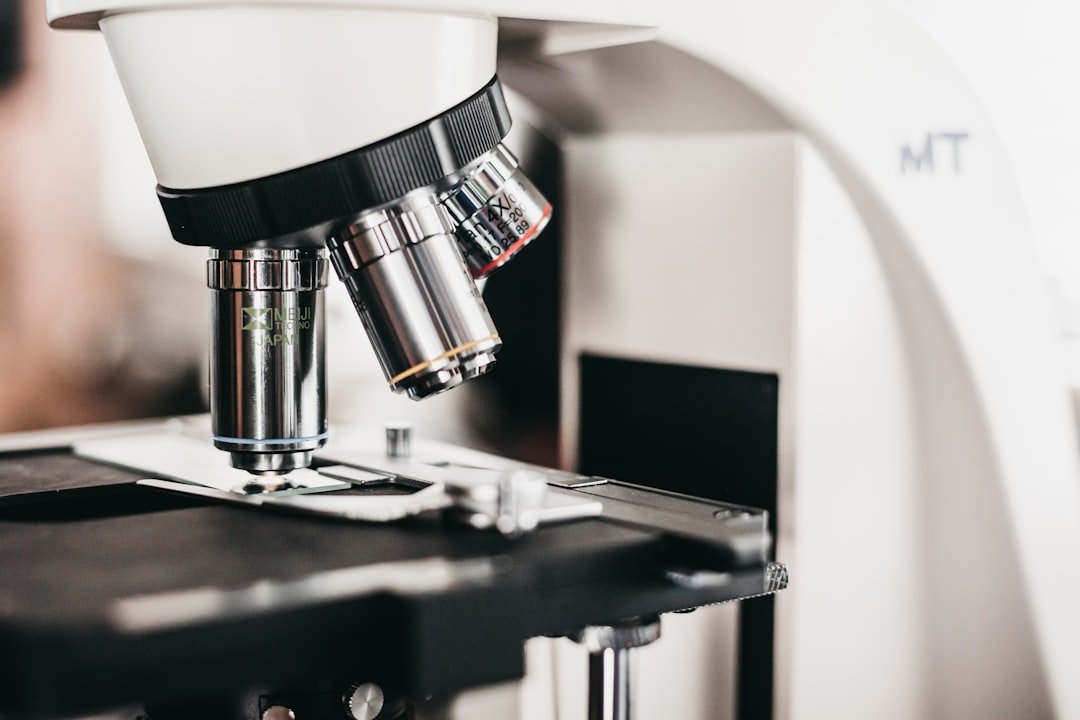
AI Is Learning to Spot the ‘Zombie Cells’ Linked to Ageing
A new method gives researchers a chemical fingerprint of senescent cells in mouse tissue. Better measurement could sharpen ageing research before it changes medicine.
-

MIT’s Dissolving Battery Brings Swallowable Electronics Closer
A tiny battery powered experimental devices inside pigs and is designed to break down after use. It could help solve a difficult problem for ingestible electronics.
-
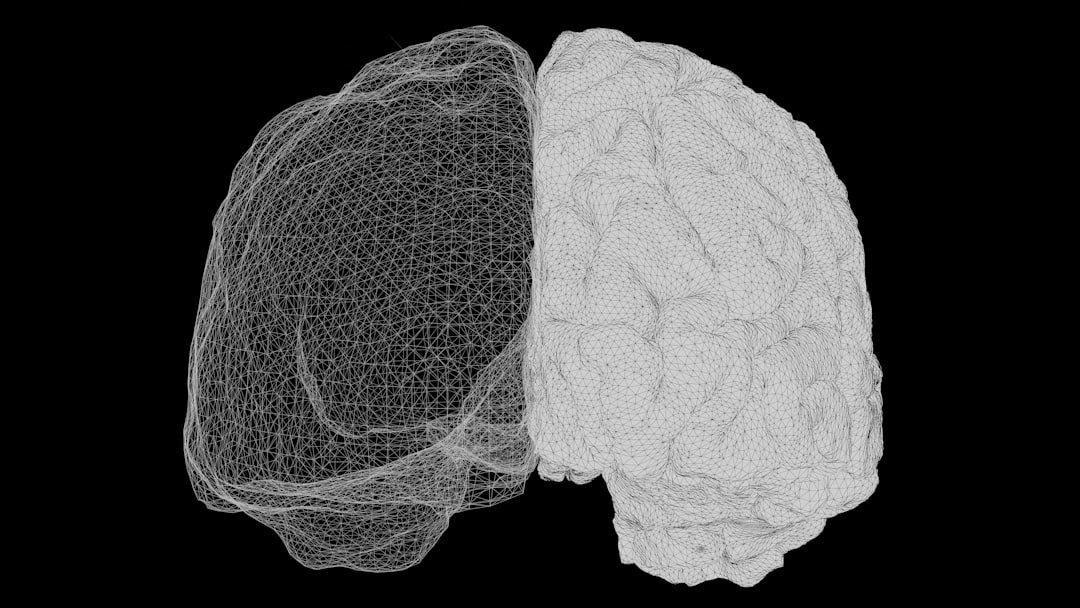
Scientists Spotted a Risky Choice Before a Person Moved
A small human study tracked brain signals as people weighed reward against danger. It offers a closer view of decision-making without proving that scientists can read minds.
-
Tiny Wireless Antennas Attack Brain Cancer in Early Tests
Magnetically activated nanoantennas damaged drug-resistant glioblastoma cells and extended survival in mice. The research opens an unusual avenue, but human benefit remains untested.
-
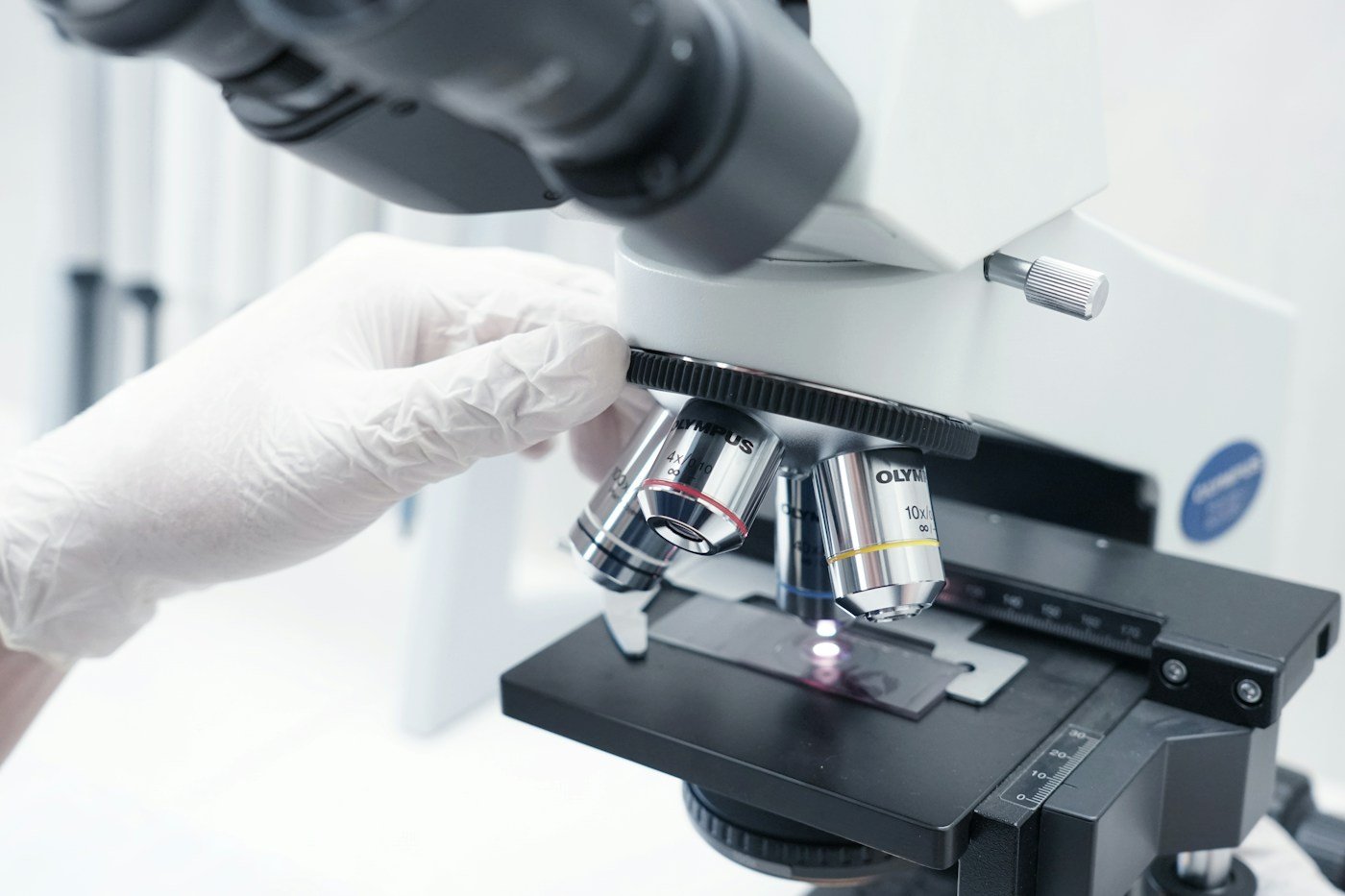
Stanford’s 37,000 AI Agents Are Hunting for Better Drugs
A virtual research organisation can divide drug-discovery work among thousands of AI agents. Its most interesting result is a testable idea, not a medicine ready for patients.
-
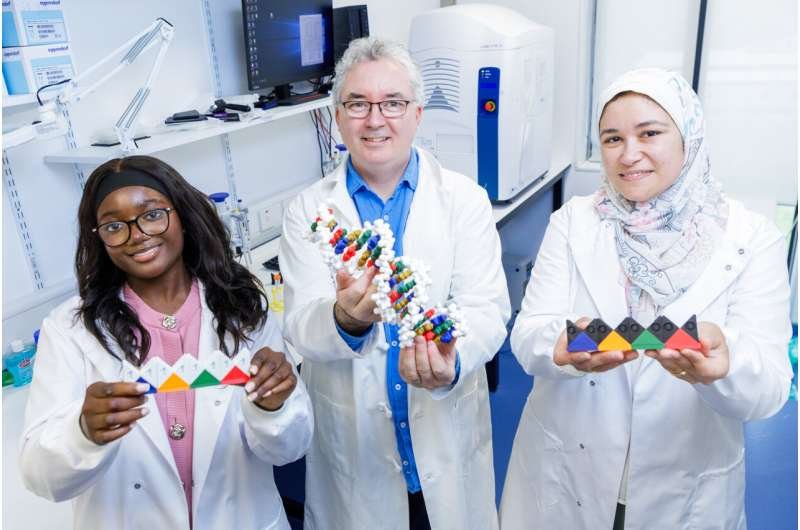
Scientists Built a Computer That Finds Answers in a Droplet
A DNA-based system uses molecular assembly to carry out calculations. Its attraction is a different way of computing, with clear limits on speed and practical use.